Pasta Polish Reduce Dullness, Restore Gloss on Gelcoat and Painted Surfaces
Marine conditions can cause oxidation and dulling of the hull surface over time. Salt, UV and dirt accumulation weaken the glossy appearance of the gelcoat or painted surface, creating a "dull" appearance. When applied with the right product and the right equipment, a paste polish can help to smooth the surface, reduce dullness and achieve a cleaner finish.
The critical point here is this: Polish is not a "single product", it is a system. Different levels of abrasiveness (coarse/fine) and the right pad/sponge are chosen according to the needs of the surface. Choosing the wrong product or the wrong pad can lead to results such as holograms/marks or unnecessary abrasion on the surface. Therefore, it is safest to consider the application in "controlled steps".
What does a paste polish do?
- Helps to reduce dullness: It aims to recover the dull appearance caused by oxidation.
- Manages fine scratches: Can help reduce light marks on the surface with gradual products.
- Adds shine and depth: With the right finish product, the surface can look more "alive".
- Creates a base for the protection step: The subsequent protective layer can work more efficiently.
Correct order Thick → Thin → Finish
The most common mistake is to expect shine with a direct "polish" when the surface is very worn. If the surface is dull/oxidized, controlled correction is usually required first. The general application sequence is as follows:
- Cleaning: Safely remove salt, dirt and grease.
- Evaluation: Is dullness predominant or fine scratching? Determine what the surface needs.
- Thick paste / scratch remover (if required): First step on surfaces that require further correction.
- Thin paste / finishing: Helps to reduce the marks left by the thick paste and refine the surface.
- Polish / polishing: Used to enhance the visual finish and set the gloss.
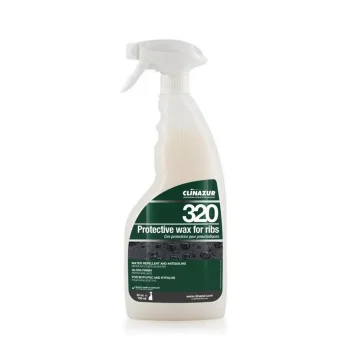
- Protection: With the appropriate protective layer (depending on the product) the result can be maintained for longer.
Product groups: What is in this category?
Thick - Thin Scratch Removers (Paste types)
As the level of dullness and scratches on the surface increases, more "aggressive" correction products may be needed. The aim here is to use as much abrasive as you need without overtaxing the surface. The process starts with a thick paste and is refined with fine paste/finishing products, aiming for a cleaner finish.
Polishes and polishing finish products
The finish side often determines the "visual" result of the surface. The right finish product can make the gloss look more even, and in some cases it can also contribute to easier cleaning of the surface. The important thing here is to make the shine sustainable with a post-application care routine.
Pastry Machine
Thepastry machine facilitates more homogeneous application on large surfaces and increases the efficiency of the work. Speed, pressure and pad selection directly affect the result. Therefore, the machine should not be thought of as a "power" tool, but as a "control" tool.
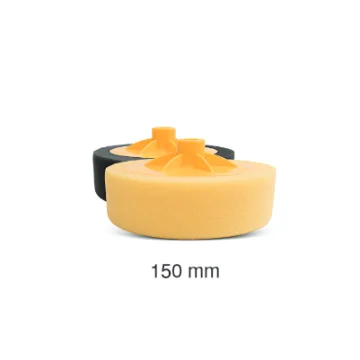
Polishing Pads and Sponges
The quality of a polishing job is often determined by the choice of pad/sponge. Polishing pads and sponges of different hardnesses facilitate more accurate results at different stages, such as thick correction, fine finishing or polish application. Choosing the wrong pad can result in holograms, scars or inadequate correction.
Common application mistakes
- Wrong product sequence: Expecting results only with "polish" when the surface is very worn.
- Wrong pad/sponge: Unnecessary wear or formation of marks/holograms.
- Excessive pressure and speed: Risk of surface heating and uneven finish.
- Skipping the cleaning step: Working on a dirty surface can increase the risk of scratches.
- Neglecting the protection step: Shine can fall back fast, dirt can cling more quickly.
A practical approach to seasonal paste polishing
Early season (recovery)
- Evaluate dullness and oxidation, and if necessary, recover the surface with thick→ince steps.
- Aim to make cleaning easier throughout the season with the finishing and protection step.
In-season (protection and light care)
- Maintain shine with a light maintenance/protection approach, without fatiguing the surface.
- Instead of unnecessary "aggressive" waxing, proceed with polishing/finishing as needed.
End of season (before closing)
- Protecting the surface after cleaning helps to reduce build-up during overwintering.
Summary
Paste polish is a maintenance system used to reduce dullness and achieve a cleaner shine on the hull surface. The best results are achieved with the right product sequence (thick→thin→finish), the use of the right polishing machine and the right choice of pad/sponge. By combining the products in this category according to your needs, you can aim for a more controlled and more permanent surface condition.